
Top-Rated Products For Japanese Knotwood Control And Removal
Learn about the most effective tools and chemicals to manage Japanese knotweed invasions on your property.
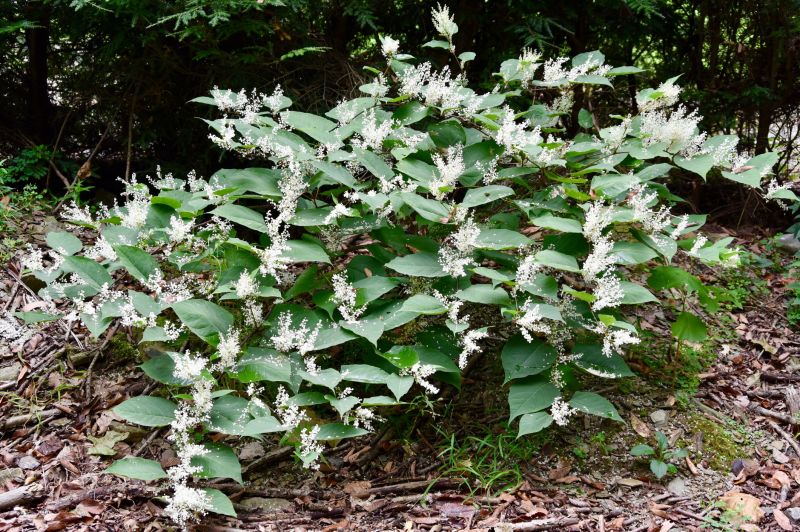 Japanese knotweed is a resilient and invasive plant that can cause significant disruption to landscapes, foundations, and underground utilities if not managed properly. Its rapid growth and deep root system make removal a challenging task, often requiring specialized tools and techniques. Homeowners and professionals alike seek effective solutions to control and eliminate this invasive species, leading to a variety of products designed specifically for Japanese knotweed removal.
Top Overall Option
Heavy-Duty Root Cutter
A versatile and durable tool designed to mechanically sever Japanese knotweed roots deep underground. Its robust construction allows for effective excavation and root removal, making it suitable for both professional landscapers and dedicated homeowners. When used correctly, it can significantly reduce the plant's ability to regrow, aiding in long-term control efforts.
Types of Products For Japanese Knotwood Removals
Root Cutting Tools
Tools designed to slice through and sever root systems, facilitating removal or decay of the invasive plant.
Herbicide Sprays
Chemical solutions formulated to target Japanese knotweed, helping to weaken and kill the plant over time.
Soil Excavators
Heavy machinery or manual tools used to excavate soil containing root fragments, removing the infestation physically.
Thermal Weed Burners
Devices that apply intense heat to the plant's foliage and roots, disrupting cellular structure and aiding in control.
Root Barriers
Physical barriers installed underground to prevent the spread of Japanese knotweed roots into unwanted areas.
Manual Hand Tools
Shovels, hoes, and pruners suitable for small-scale removal efforts and targeted treatment.
Chemical Injectors
Tools designed to deliver herbicides directly into the plant's stems or roots for targeted treatment.
Soil Solarization Sheets
Plastic covers used to heat the soil through solar radiation, suppressing knotweed growth.
Biological Control Agents
Natural predators or pathogens that can help control Japanese knotweed under professional supervision.
Chemical Soil Treatments
Soil-applied herbicides designed to penetrate and kill root systems from below ground.
Popular Choices
Essential hand tools for small infestations, enabling precise removal of visible roots and stems.
Powder or liquid formulations that can be diluted for targeted chemical treatment of knotweed.
Specialized saws designed to cut through thick roots during excavation or removal efforts.
Portable steam applicators that deliver high-temperature vapor to weaken plant tissues.
Thick gels applied directly to cut stems or roots, providing targeted chemical control.
Durable fabric barriers installed underground to limit root expansion and spread.
Machinery suitable for large-scale removal projects, capable of excavating extensive root systems.
Tools that allow precise delivery of herbicide into plant stems or roots for effective treatment.
Plastic or fabric sheets used to suppress growth by blocking sunlight and heat buildup.
Exploring natural agents under professional guidance to manage knotweed populations.
Effective removal methods typically involve a combination of mechanical, chemical, and sometimes thermal approaches. Mechanical removal includes specialized tools such as root cutters and excavators that can physically extract or damage the root system. Chemical treatments involve herbicides formulated to target the plant without harming surrounding vegetation. Thermal methods, including the use of heat applicators or steam, can also be employed to weaken or destroy the plant's roots.
Choosing the right products for Japanese knotweed removal depends on the extent of infestation, the location of the plants, and the desired method of control. Some products are designed for DIY use, offering manageable solutions for smaller infestations, while others are intended for professional application. Proper identification and understanding of the plant's growth patterns are crucial to selecting the most appropriate tools and treatments, ensuring effective and safe removal efforts.
Key Buying Considerations
- Extent of infestation: Assess whether the problem is small-scale or widespread to choose appropriate tools.
- Method of removal: Decide between mechanical, chemical, thermal, or integrated approaches based on site conditions.
- Ease of use: Consider user-friendly options for DIY projects versus professional-grade equipment.
- Safety features: Prioritize products with safety mechanisms to prevent accidents during operation.
- Durability: Select tools and products made from high-quality materials for long-term use.
- Effectiveness: Look for products with proven suitability for Japanese knotweed control, tailored to your infestation level.
- Accessibility: Ensure the size and weight of tools are manageable for your physical capabilities.
- Cost and budget: Balance the investment with the expected effectiveness and scope of removal.
- Environmental impact: While not focusing on eco-friendliness, consider the potential effects on surrounding vegetation and structures.
- Regulatory compliance: Make sure any chemical products used adhere to local regulations and guidelines.