Tree Limbs Removal in Allentown, PA
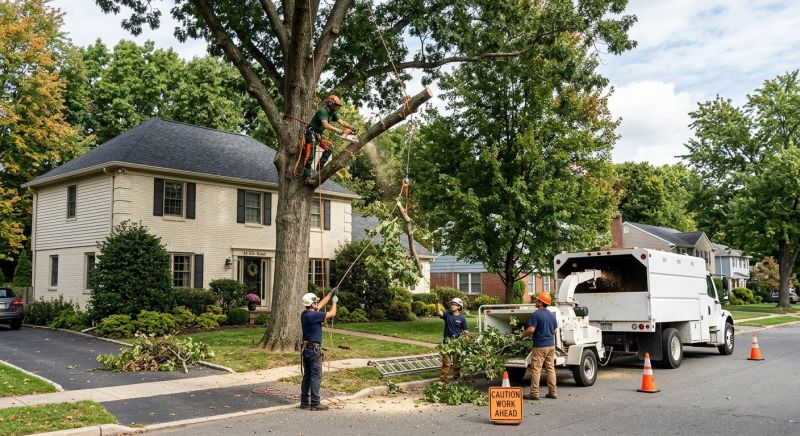
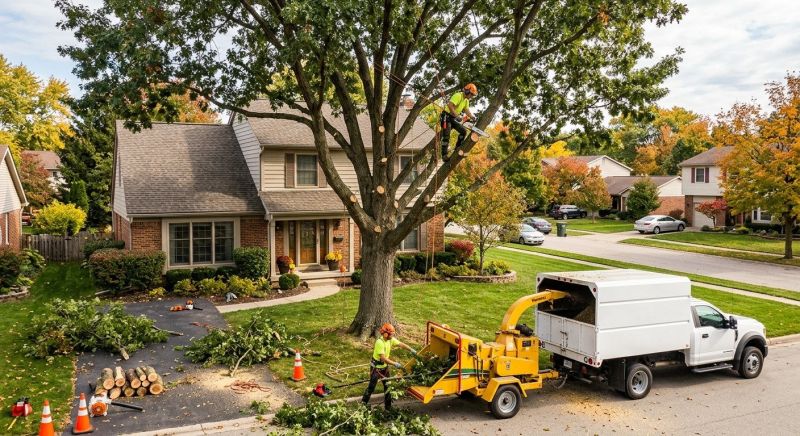
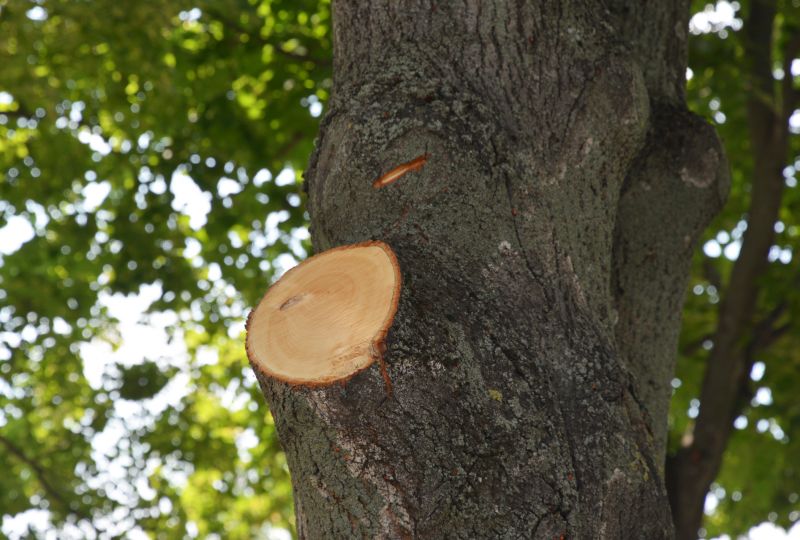
Tree limbs removal services involve the careful trimming and removal of overhanging or damaged branches to maintain the health and safety of trees on residential properties. This service covers projects such as removing broken, dead, or hazardous limbs that pose a risk of falling, as well as thinning dense canopies to improve sunlight and airflow. Property owners typically seek this service to prevent property damage during storms, reduce the risk of injury from falling branches, or improve the overall appearance and health of their trees.
Before requesting tree limbs removal, property owners should consider the size and location of the branches in question, especially those near power lines, roofs, or walkways. It’s also helpful to understand the condition of the tree and whether the limbs are dead or diseased, as this can influence the scope of work needed. Proper assessment ensures that the removal process is safe and effective, minimizing potential damage to the tree and surrounding property.
Many property owners in Allentown, PA look into Tree Limbs Removal for repairs, replacements, upgrades, and appearance-related improvements.
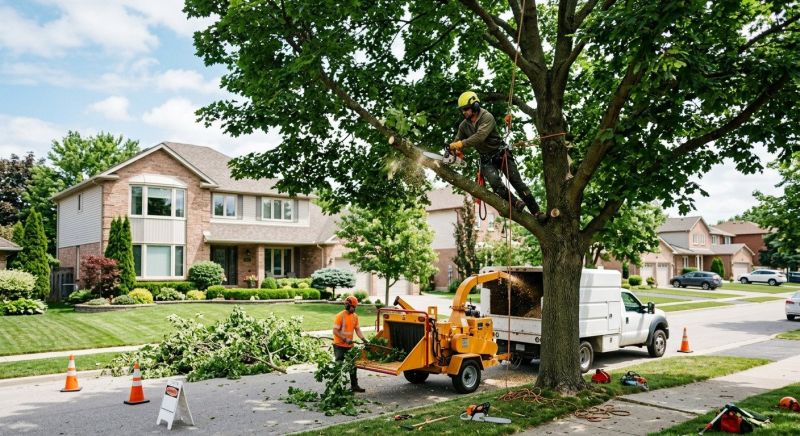
Tree Limbs Removal Services
Examples of tree limbs removal work property owners may explore in allentown, pa.
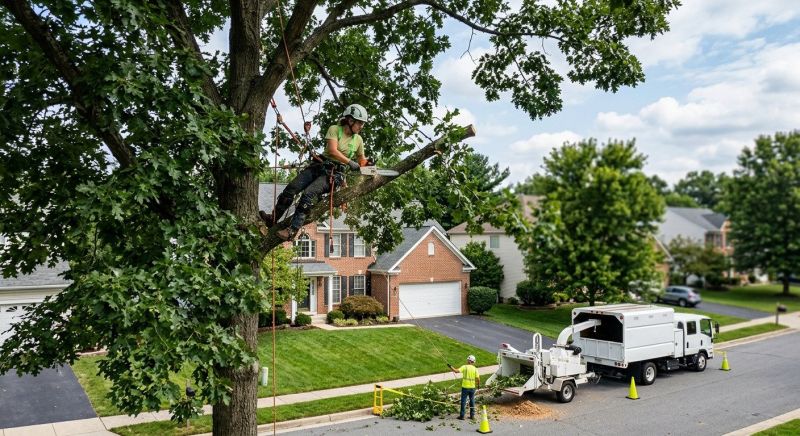
Tree Limbs Removal Updates
Common ways people refresh, improve, or restore tree limbs removal features in allentown, pa.
Tree Limbs Removal Options
Different styles, layouts, and finishes people consider for tree limbs removal in allentown, pa.
Tree Limbs Removal in Allentown, PA
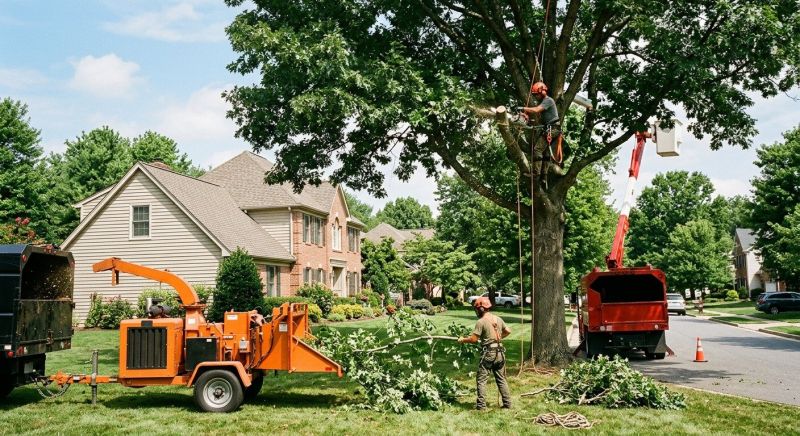
Tree limbs removal services involve the careful trimming and removal of overhanging or damaged branches to maintain the health and safety of trees on residential properties. This service covers projects such as removing broken, dead, or hazardous limbs that pose a risk of falling, as well as thinning dense canopies to improve sunlight and airflow. Property owners typically seek this service to prevent property damage during storms, reduce the risk of injury from falling branches, or improve the overall appearance and health of their trees.
Before requesting tree limbs removal, property owners should consider the size and location of the branches in question, especially those near power lines, roofs, or walkways. It’s also helpful to understand the condition of the tree and whether the limbs are dead or diseased, as this can influence the scope of work needed. Proper assessment ensures that the removal process is safe and effective, minimizing potential damage to the tree and surrounding property.
Many property owners in Allentown, PA look into Tree Limbs Removal for repairs, replacements, upgrades, and appearance-related improvements.
Common Tree Limbs Removal Jobs
Tree limb removal - safely eliminates overhanging or damaged branches to protect property.
Emergency limb removal - addresses hazardous limbs after storms or severe weather events.
Crown thinning - reduces limb density to improve tree health and prevent limb failure.
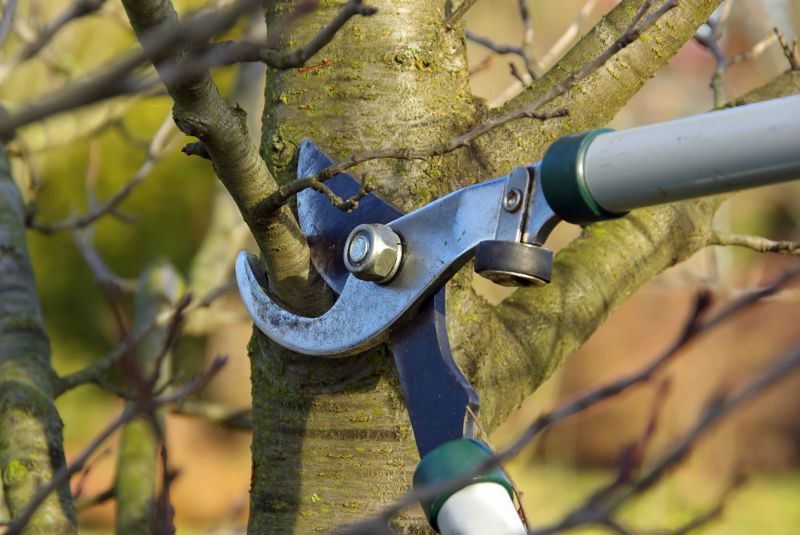
Selective pruning - removes specific limbs to enhance tree shape and stability.
Deadwood removal - clears dead or decaying limbs to prevent potential falling hazards.
Utility line clearance - trims limbs near power lines to ensure safe and reliable service.
Tree Limbs Removal Questions
When is tree limb removal necessary? Tree limb removal is needed when branches pose a risk to property, obstruct views, or show signs of disease or damage.
How does removing tree limbs benefit a property? Removing excess or hazardous limbs improves safety, promotes healthy growth, and enhances the appearance of the landscape.
Are there specific tree types that require more frequent limb removal? Certain species with heavy or widespread branches may need more regular limb trimming to maintain safety and health.
What are common signs that indicate a tree needs limb removal? Signs include dead or broken branches, limbs hanging low, or branches rubbing against structures or power lines.
Request Tree Limbs Removal in Allentown, PA
Use the quote form on this page to share the basics of your project and request more information for the type of work you need.