Best Timing for Japanese Knotweed Removal
Japanese Knotweed is a resilient invasive plant that can cause significant damage to properties and landscapes. Timing of removal is crucial to ensure effective eradication and minimize environmental impact. The optimal period for Japanese Knotweed removal depends on the plant's growth cycle, local climate conditions, and the specific removal methods employed.
Spring is ideal for removal as the plant begins to grow, allowing for early intervention before it reaches full maturity.
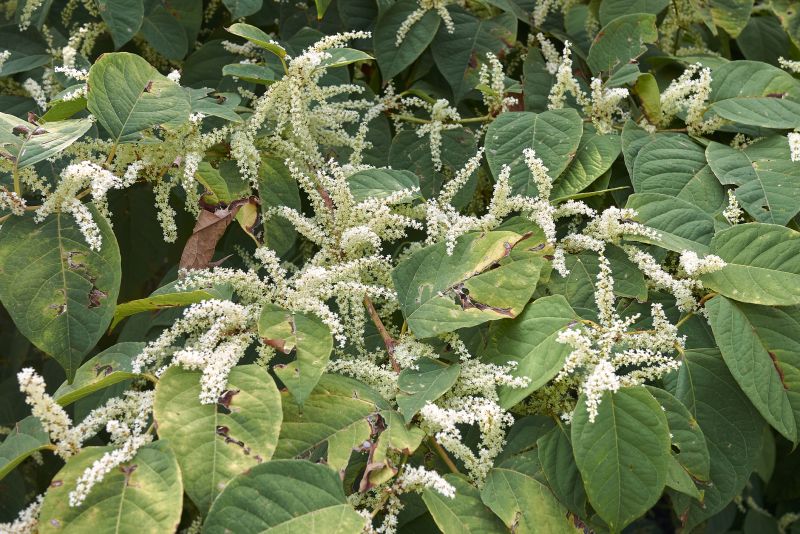
Summer offers active growth, making it suitable for treatments that target the plant during its peak.
Autumn can be effective for removal when the plant starts to die back, facilitating removal and reducing regrowth.
Winter is generally less favorable due to dormancy, but certain methods can be applied if necessary.
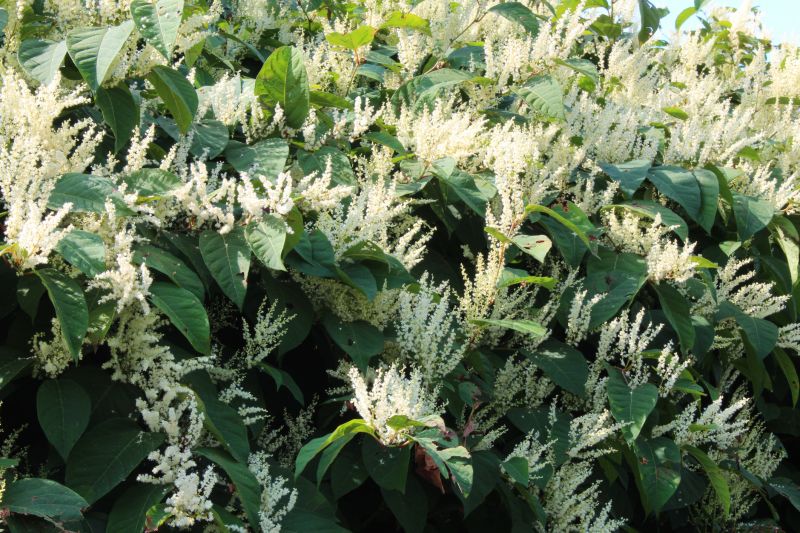
New growth emerges in spring, making it a strategic time for removal efforts.
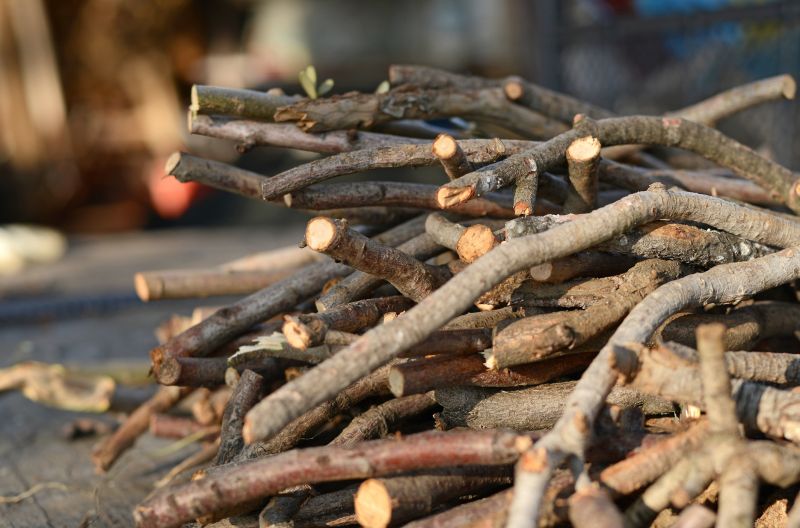
Full summer growth provides clear visibility for targeted removal.
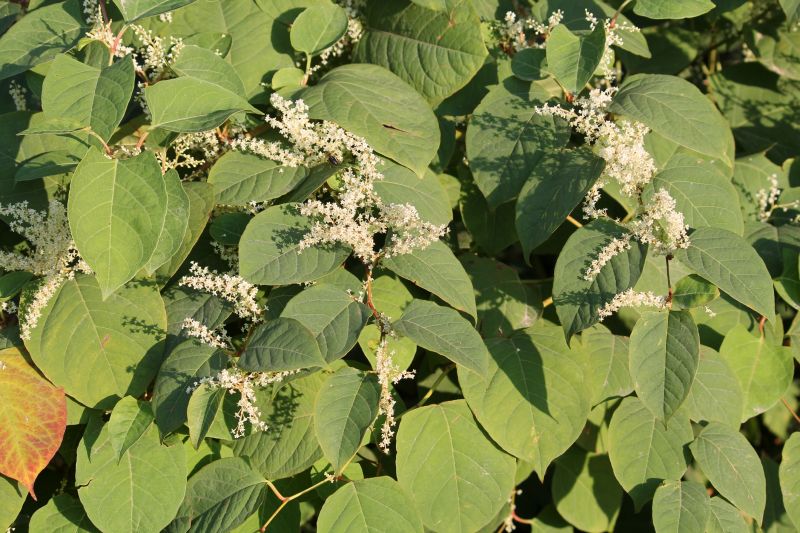
Plant begins to die back, reducing biomass for removal.
Ways to make Japanese Knotwood Removals work in tight or awkward layouts.
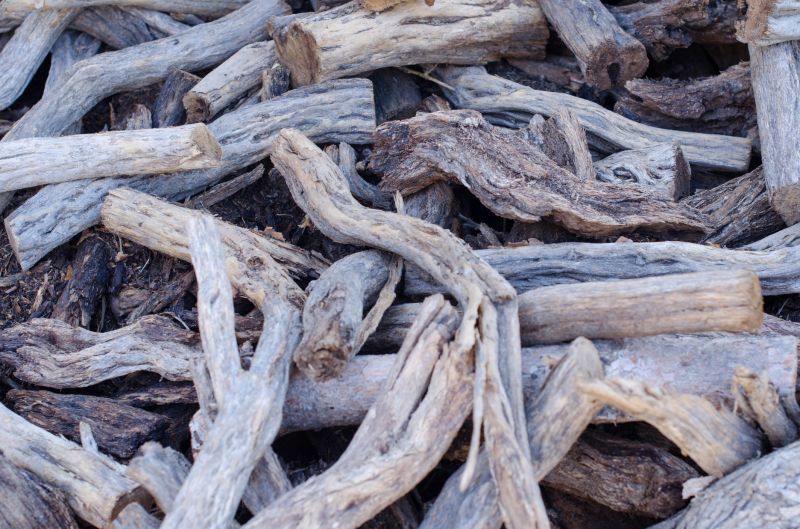
Popular materials for Japanese Knotwood Removals and why they hold up over time.
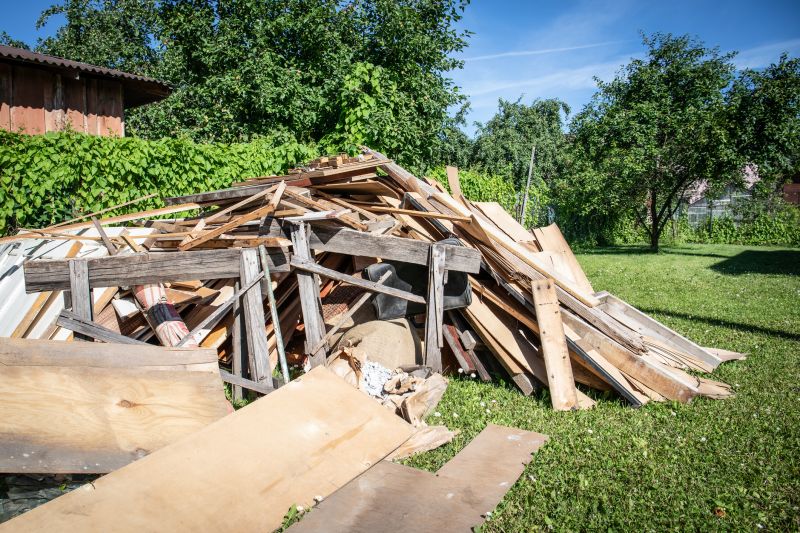
Simple add-ons that improve Japanese Knotwood Removals without blowing the budget.
| Season | Best for Removal | Considerations |
|---|---|---|
| Spring | Early intervention before full growth | Monitor new shoots for effective removal |
| Summer | Peak growth for targeted treatments | Ensure treatments are timed for maximum impact |
| Autumn | Plant begins to die back | Can reduce regrowth but may be less effective for active removal |
| Winter | Limited options | Dormant period; only certain methods applicable |
Japanese Knotweed removal requires careful planning to align with the plant's growth cycle. Early removal in spring can prevent extensive spread, while summer treatments can target actively growing stems. Autumn offers an opportunity to remove dead or dying plants, potentially reducing regrowth. Timing strategies should consider local climate conditions and the specific removal techniques used.
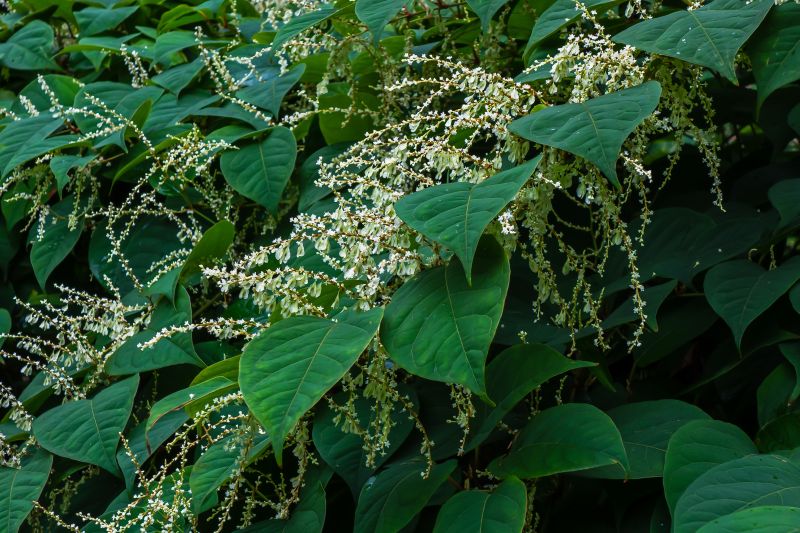
Active growth during summer makes it visible for targeted removal.
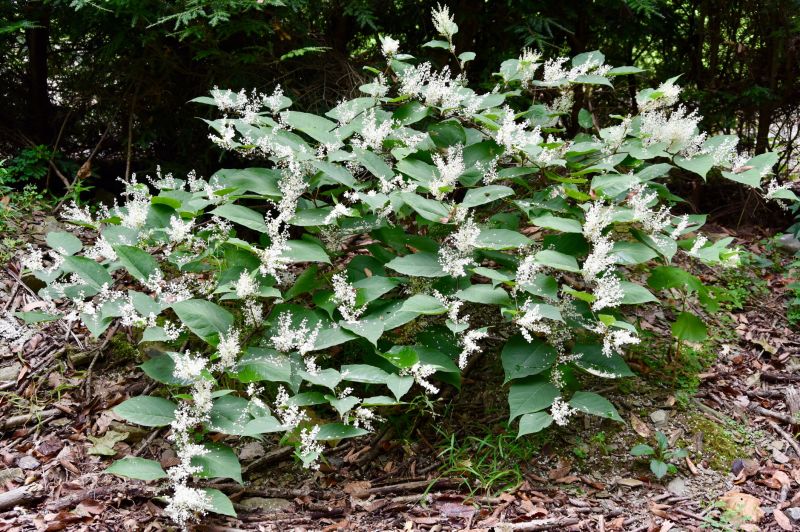
Plant begins to die back, aiding removal efforts.
New shoots emerging, ideal for early intervention.
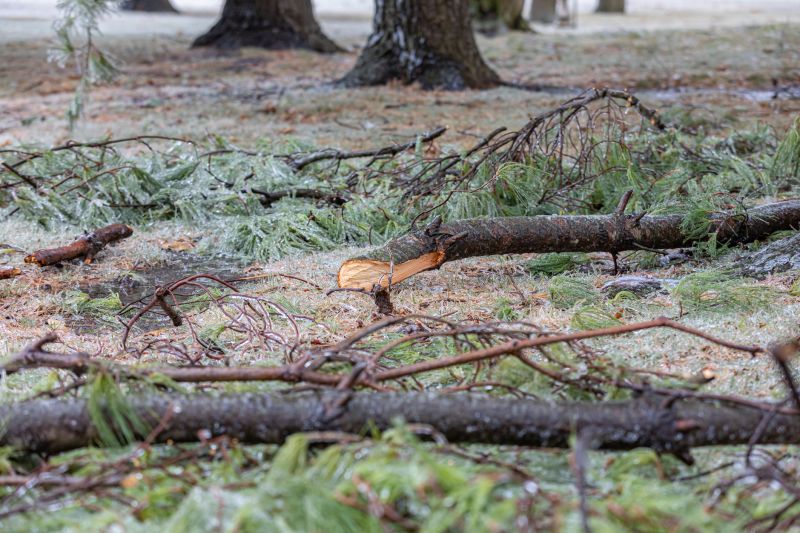
Limited removal options during dormancy.
High-end options that actually feel worth it for Japanese Knotwood Removals.
Finishes and colors that play nicely with Japanese Knotwood Removals.

Little measurements that prevent headaches on Japanese Knotwood Removals day.

A 60-second routine that keeps Japanese Knotwood Removals looking new.
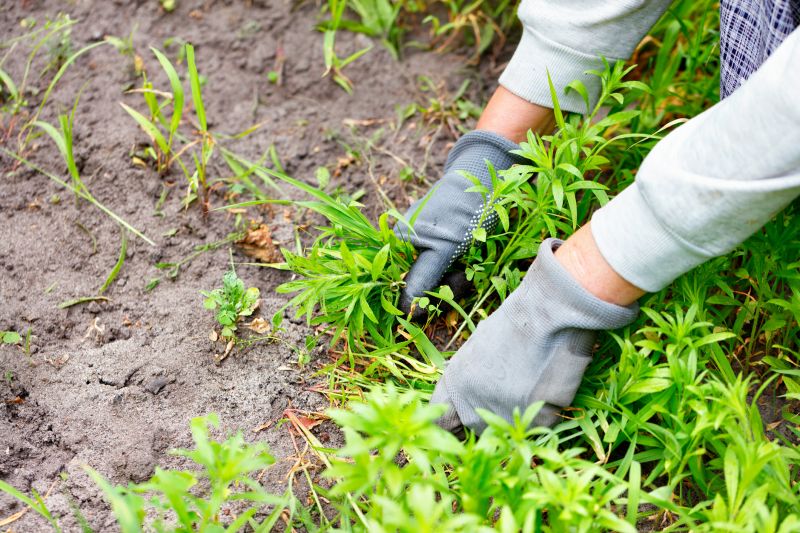
A frequent mistake in Japanese Knotwood Removals and how to dodge it.
Small tweaks to make Japanese Knotwood Removals safer and easier to use.
Lower-waste or water-saving choices for Japanese Knotwood Removals.
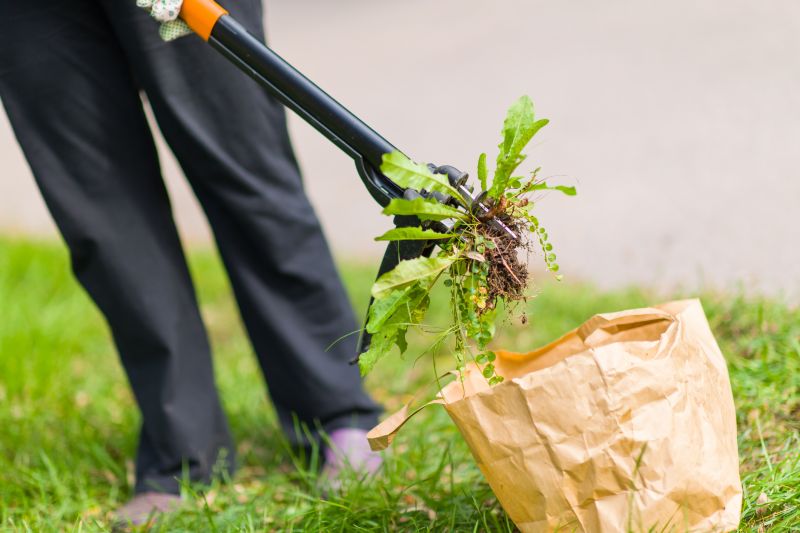
The short, realistic tool list for quality Japanese Knotwood Removals.
Effective Japanese Knotweed removal depends on understanding its growth pattern and selecting the appropriate time for intervention. Consulting with specialists can help determine the most suitable period for removal based on specific site conditions and plant maturity.
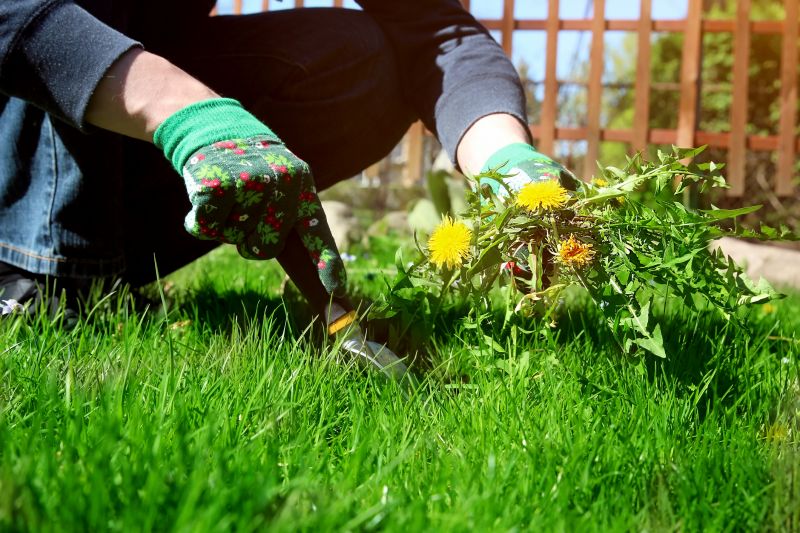
Active growth phase for targeted removal.
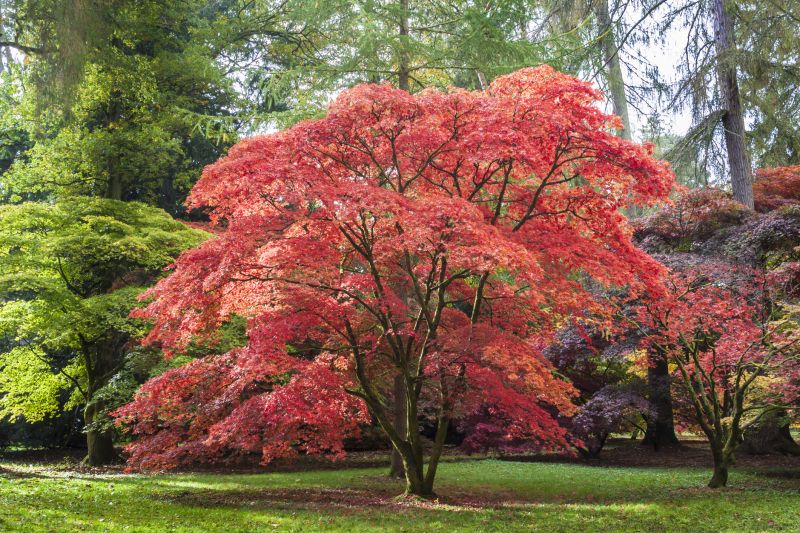
Plant begins to die back, facilitating removal.
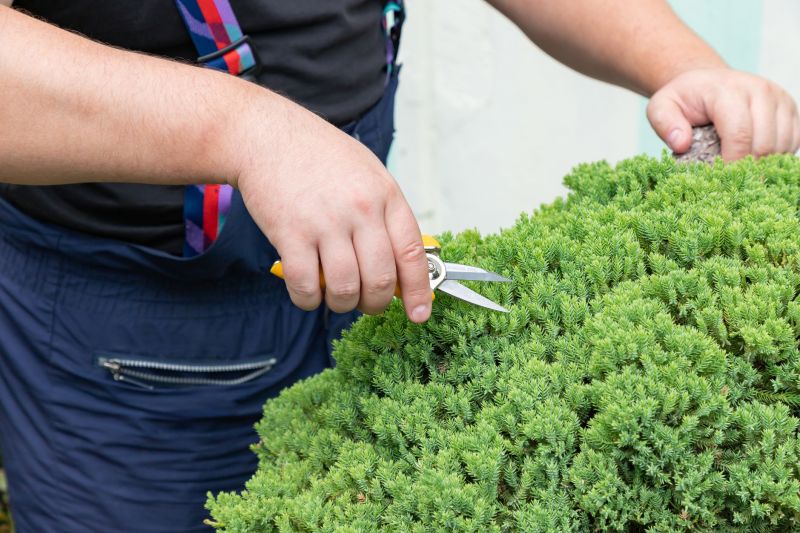
Emerging shoots ready for early removal.
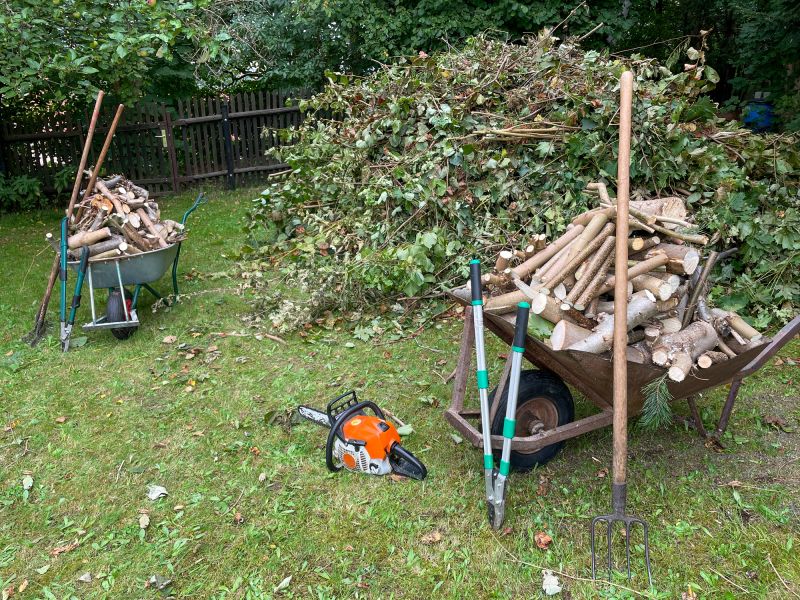
Rough timing from prep to clean-up for Japanese Knotwood Removals.
Quick checks and paperwork to keep after Japanese Knotwood Removals.
Examples that show the impact a good Japanese Knotwood Removals can make.

Ways to make Japanese Knotwood Removals work in tight or awkward layouts.

Ways to make Japanese Knotwood Removals work in tight or awkward layouts.
If interested in Japanese Knotweed removals, filling out the contact form can provide access to professional advice and tailored solutions to effectively manage and eradicate the invasive plant.