Get Japanese Knotwood Removal in Bozeman, MT
Local contractors in Bozeman, MT, can help property owners remove invasive Japanese Knotweed to prevent damage, clear overgrowth, and restore landscape safety.
Property owners in Bozeman, MT, who are dealing with Japanese knotweed understand the importance of addressing this invasive plant promptly and effectively. Whether you're planning to clear a garden space, prepare a property for sale, or prevent potential damage to your landscape, exploring local options for knotweed removal can provide practical solutions tailored to the area's unique environment. Comparing services from nearby contractors can help you find experienced professionals equipped to handle the specific challenges posed by Japanese knotweed.
Continuing with your project involves understanding the range of services available in the Bozeman area. Local contractors specializing in invasive plant removal can offer insights into effective methods and strategies suited for your property. By exploring your options and connecting with trusted service providers, you can make informed decisions that support the health and appearance of your landscape while safeguarding your property’s value.
- Japanese Knotweed Removal - needed when invasive plants threaten property foundations or landscaping in neighborhoods around Bozeman, MT.
- Knotweed Eradication - required if persistent growth is damaging walkways, driveways, or nearby structures in local residential areas.
- Invasive Plant Control - sought when Japanese knotweed spreads rapidly and crowds out native vegetation in yards or open spaces.
- Vegetation Management - necessary for property owners dealing with overgrown or unmanaged knotweed in suburban or rural parts of the region.
- Landscape Clearing - requested when clearing invasive species to prepare land for construction, gardening, or restoration projects nearby.
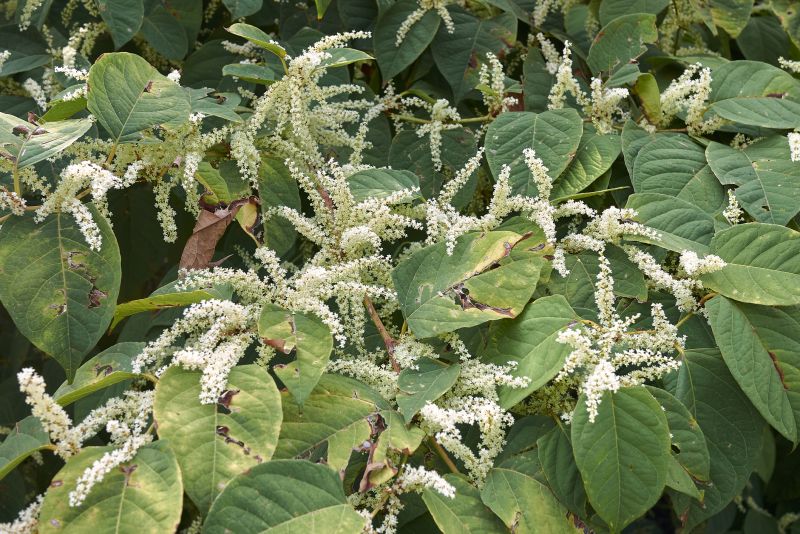
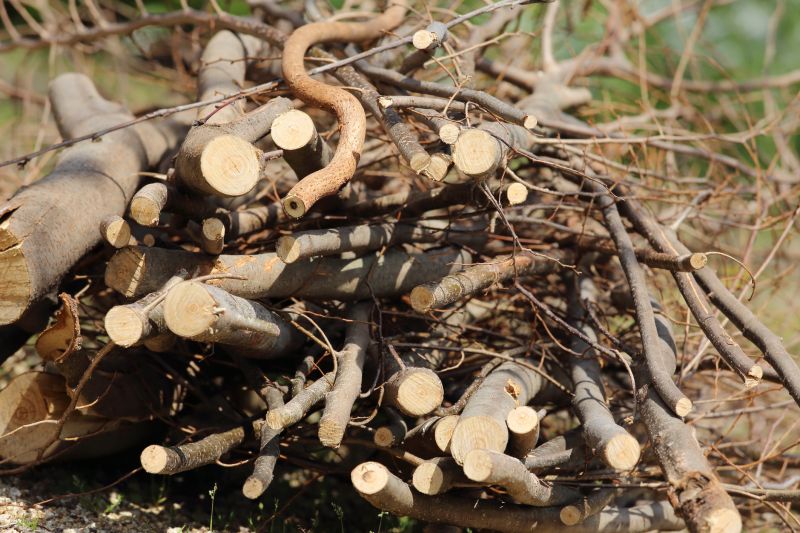
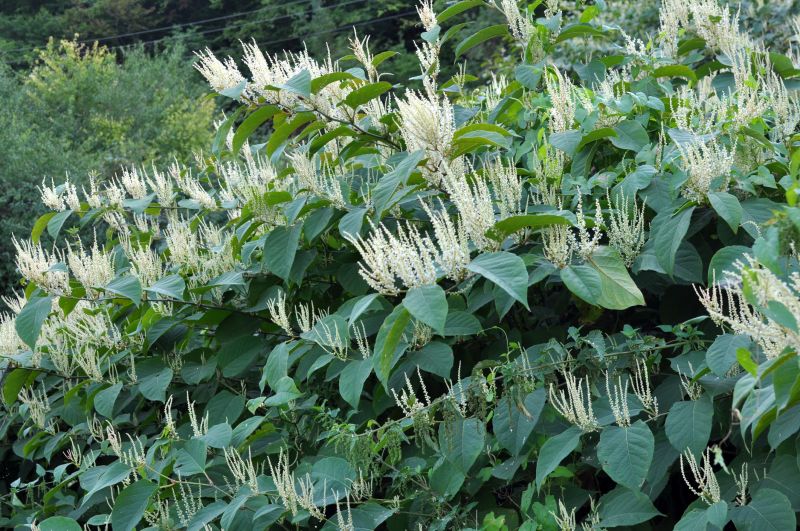
Japanese knotweed removal services focus on eliminating this invasive plant from residential and commercial properties. The process typically involves identifying the extent of the knotweed growth and employing specialized techniques to eradicate it. Contractors may use methods such as targeted herbicide treatments, excavation, or a combination of both to ensure the plant is fully removed and does not return. These services are designed to address the root of the problem, preventing the knotweed from spreading further and causing damage to landscaping, foundations, or underground utilities.
This invasive plant can cause significant problems for property owners. Japanese knotweed is known for its rapid growth and strong root systems that can penetrate concrete, walls, and foundations. This can lead to structural damage, decreased property value, and costly repairs if not addressed promptly. Additionally, knotweed can invade gardens, driveways, and neighboring properties, making early removal essential. Service providers help homeowners and business owners manage and eliminate these issues, restoring safety and stability to their properties.
Japanese knotweed removal is often needed on various types of properties. Residential homes with landscaped yards may seek removal to protect gardens and prevent damage to foundations. Commercial properties, especially those with large outdoor spaces or buildings near natural areas, also frequently require knotweed control. Additionally, properties that are being prepared for sale or development may need professional removal to meet legal or environmental standards. Service providers are equipped to handle properties of different sizes and complexities, ensuring the invasive plant is properly managed.
Homeowners and property managers should consider knotweed removal services when they notice rapid, dense growth in their yard or near structures. If the plant’s stalks are tall, with a bamboo-like appearance, or if there are persistent underground shoots, professional help may be necessary. Left untreated, Japanese knotweed can quickly become a major problem, leading to extensive damage and costly remediation. Consulting with experienced local contractors can help determine the best course of action to effectively remove the invasive plant and protect the integrity of the property.
The overview below groups typical Japanese Knotwood Removal projects into broad ranges so you can see how smaller, mid-sized, and larger jobs often compare in Bozeman, MT.
In many markets, a large share of routine jobs stays in the lower and middle ranges, while only a smaller percentage of projects moves into the highest bands when the work is more complex or site conditions are harder than average.
Small-Scale Removal - For minor knotweed patches or localized infestations, local contractors typically charge between $250 and $600. Many routine jobs fall within this range, depending on the size of the affected area and accessibility.
Moderate Projects - Larger, more established knotweed areas often cost between $600 and $2,000 to remove. These projects are common for properties with extensive growth or multiple affected zones.
Extensive or Complex Jobs - Large-scale infestations or difficult-to-access sites can range from $2,000 to $5,000 or more. Fewer projects reach this tier, usually involving significant removal and site restoration efforts.
Full Site Replacement - In cases where complete removal and replacement of disturbed landscaping are necessary, costs can exceed $5,000. These projects are less frequent and depend heavily on the size and complexity of the site.
Actual totals will depend on details like access to the work area, the scope of the project, and the materials selected, so use these as general starting points rather than exact figures.
Invasive Plant Removal - Local contractors experienced in removing invasive plants often use similar tools and planning strategies as those needed for Japanese Knotweed eradication.
Stump Grinding and Root Removal - Stump grinding involves root removal techniques that align with the skills used in eliminating deep-rooted knotweed plants.
Vegetation Clearing and Land Preparation - Clearing overgrown areas and preparing land for development require planning and equipment comparable to knotweed removal projects.
Erosion Control and Soil Stabilization - Implementing erosion control measures involves site assessment and excavation skills similar to those used in invasive plant management.
Hazardous Vegetation Disposal - Proper disposal of invasive or hazardous plant material requires handling and planning expertise akin to Japanese Knotweed removal.
Landscape Restoration and Replanting - Restoring landscapes after invasive plant removal involves planning and site work comparable to managing Japanese Knotweed sites.
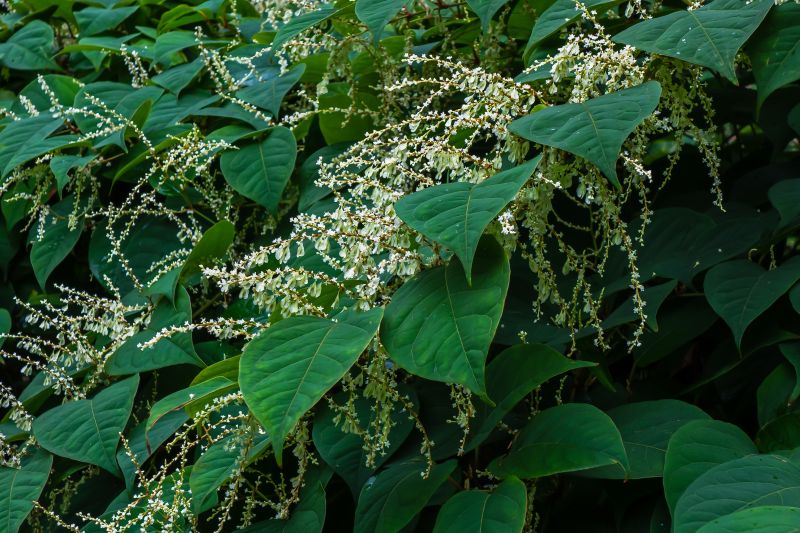
When evaluating service providers for Japanese Knotweed removal, it’s important to consider their experience with similar projects in the Bozeman area. Homeowners should look for local contractors who have a proven track record in handling invasive plant removal, particularly with Japanese Knotweed, to ensure they understand the specific challenges involved. Asking for examples or references related to past projects can provide insight into their familiarity with the process and their ability to manage the job effectively.
Clear, written expectations are essential when comparing local contractors. Homeowners should seek detailed descriptions of the services offered, including the scope of work, methods used, and any guarantees or warranties provided. Having this information in writing helps prevent misunderstandings and ensures that both parties are aligned on what will be done, making it easier to assess the professionalism and transparency of each service provider.
Good communication is a key factor in choosing the right local contractor. Homeowners should prioritize service providers who are responsive and willing to answer questions thoroughly, providing clarity about the process and next steps. Reputable local pros often have references or reviews that can be checked to confirm their reputation for clear communication and reliable service. It’s important to remember that this site introduces homeowners to local options for Japanese Knotweed removal, serving as a resource to compare and connect with qualified service providers, rather than performing the work directly.
Property owners in Bozeman, MT use Japanese Knotwood Removal services for practical projects around their homes and businesses. This guide focuses on everyday jobs and straightforward project options.
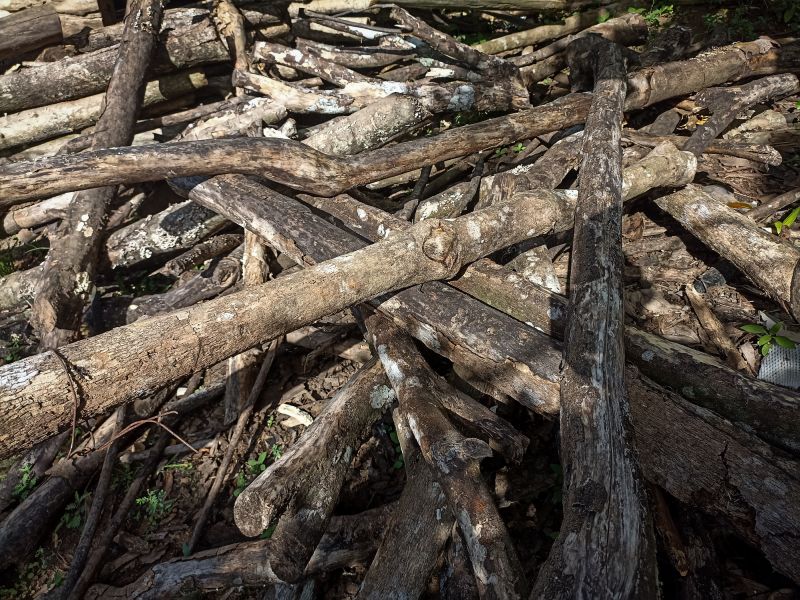
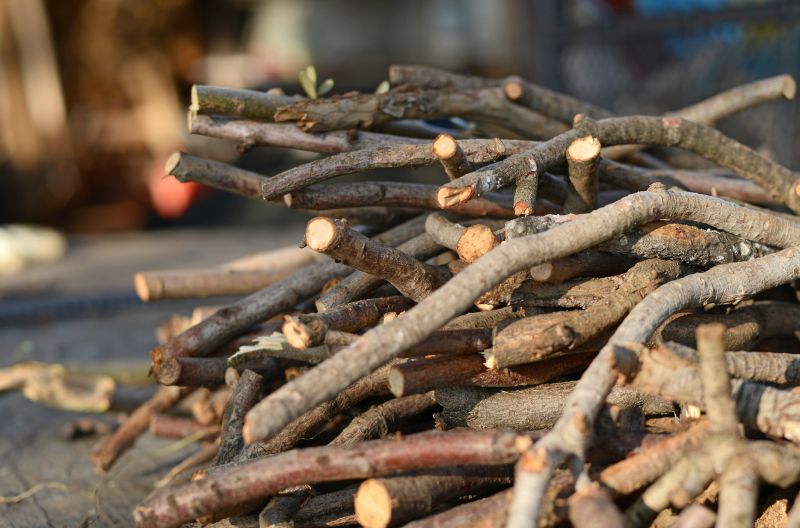
Property owners in Bozeman, MT, might seek Japanese knotweed removal services when the invasive plant begins to encroach on their yards, gardens, or surrounding landscapes. Overgrowth can interfere with outdoor activities, damage existing structures, or hinder the growth of native plants. Local contractors who specialize in invasive species management can assess the extent of the problem and provide effective removal options to help maintain the property's appearance and integrity.
Additionally, homeowners dealing with the rapid spread of Japanese knotweed near foundations, fences, or drainage areas may look for professional removal services to prevent potential damage. Invasive plants like knotweed can be difficult to control without proper expertise, making it important to connect with experienced service providers who understand the local environment and can recommend appropriate solutions for long-term management.
What is Japanese Knotweed and why is it a problem? Japanese Knotweed is an invasive plant that can cause damage to property foundations, drainage systems, and nearby structures if not properly managed.
How do local contractors remove Japanese Knotweed? They typically use specialized techniques such as cutting, herbicide application, or excavation to control and remove the plant effectively.
Can Japanese Knotweed removal services be tailored to my property? Yes, experienced service providers can assess your property and recommend removal methods suited to its size and specific conditions.
What should I look for in a Japanese Knotweed removal contractor? It's important to find local service providers with experience in invasive plant removal and a good understanding of local regulations.
Is ongoing maintenance necessary after Japanese Knotweed removal? Depending on the extent of the infestation, some properties may require follow-up treatments or monitoring to prevent regrowth.
Japanese Knotweed Removal - Property owners can work with local contractors to eliminate invasive knotweed that threatens garden spaces or foundations.
Yard Restoration - Homeowners planning landscaping projects might seek knotweed removal to prepare their yard for new plantings or outdoor renovations.
Property Preservation - Landlords and property managers can hire local pros to clear knotweed before selling or leasing a property.
Erosion Control - Those dealing with soil erosion on slopes or near water features can use knotweed removal services to stabilize the landscape.
If you are thinking about Japanese Knotwood Removal for a property in Bozeman, MT, this guide is meant to help you understand the work, the typical project types, and how different options might fit your plans.
When you are ready, you can use the quote form on this page to share a few details about your project. From there, local pros can review the basics and respond with options that match what you have in mind.